

TMS Treatment for PTSD
Just. Feel. Better.
A non-invasive, drug-free treatment shown to reduce and, in many cases, eliminate the symptoms of PTSD.
Post-traumatic stress disorder (PTSD) is a psychiatric disorder that can occur after direct or indirect exposure to a traumatic event. It is characterized by four core symptoms: re-experiencing, hyperarousal, avoidance of trauma-related stimuli, and negative cognition and mood.
How TMS helps
TMS has demonstrated effectiveness in reducing, and in many cases eliminating, the symptoms of PTSD. Using MRI-strength magnetic pulses, TMS stimulates the areas of the brain involved in fear response and emotional regulation, helping to reshape the neural patterns that keep trauma symptoms active. It is painless, drug-free, and carries minimal risk.
Who it’s for
TMS is often considered when medication hasn’t delivered the results hoped for, or when side effects have made it hard to continue. Our clinic physician reviews your history and standardized assessments to determine whether TMS is the right fit, and designs an individualized treatment protocol to maximize your results.
*TMS is not yet a funded treatment in British Columbia.
Considering TMS for PTSD?
Most clients start with a complimentary consultation to learn how we can help.
or call (250) 360-6998
What the evidence shows
Our own client outcomes for PTSD, measured with validated clinical tools.
PTSD
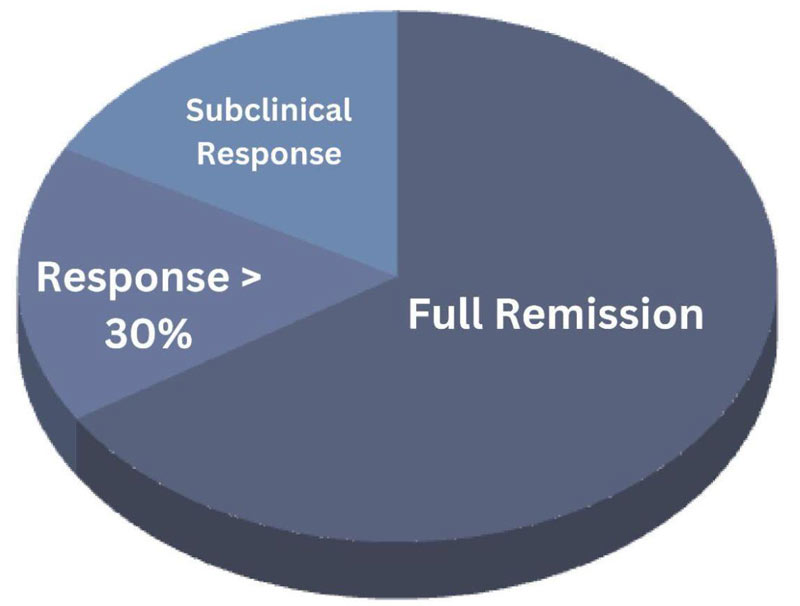
66%
of clients achieved full remission*
17% had symptom reduction greater than 30%
17% had subclinical response
*Remission: PCL-5 ≤33
Research & references
Peer-reviewed studies on TMS for PTSD.
All links open external sources.
What to expect
Treatment is straightforward and well supported: a consultation and assessment, your course of painless sessions, then evaluation and follow-up. Our team is with you at every step.
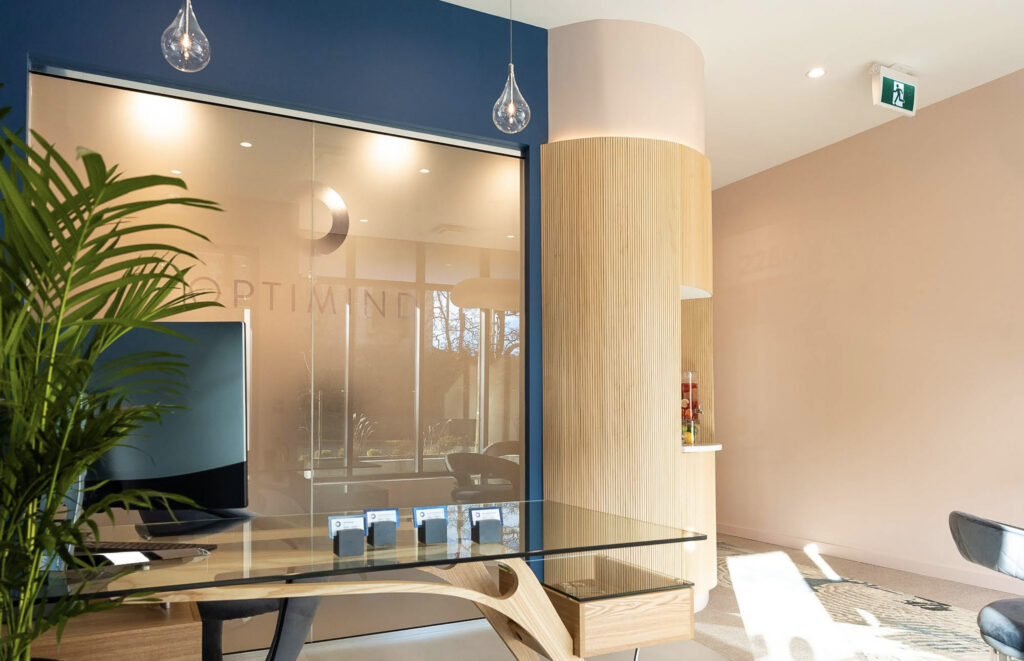
Together, our highly skilled team holds decades of medical and technical expertise
Frequently asked questions
Can I drive myself home afterward?
Yes. There’s no sedation and no recovery time, so you can return to your normal day immediately, including driving, work, or activities.
Does TMS hurt?
No. TMS is painless, with no systemic side effects and minimal risk. You recline in a comfortable chair while a technician delivers the treatment; most people read or relax.
How long do I have to rest after a TMS treatment?
TMS is a very simple treatment and doesn’t require any special attention after a session. You can drive home or even return to work right after a session.
How long does an appointment take?
Appointments are scheduled for a half hour. During treatment, you will be awake in a comfortable chair.
How long is a course of treatment?
TMS protocols run either once a day over a seven-week period, or condensed over five days. Your physician recommends the protocol best suited to you.
I’ve heard of the SAINT Protocol, does Optimind offer accelerated TMS?
We do offer an accelerated treatment option where deemed appropriate and desirable by our medical staff and client.
What is cognitive training?
For some treatment plans, a short cognitive training session follows immediately after TMS to reinforce the treatment. Your physician will let you know if it’s part of your plan.
What is the typical course of TMS Therapy?
TMS therapy requires a course of treatment sessions. The initial course of treatment typically consists of 35 sessions, which are either delivered as one session per day, five days per week for seven weeks, or seven sessions per day for five days.
Other conditions we treat
Take the first step toward feeling better.