
TMS Treatment for Post-Stroke Recovery
Every step forward counts
A non-invasive approach studied as a support to rehabilitation for movement recovery after stroke.
After a stroke, weakness or loss of movement, often on one side of the body, is one of the most common lasting effects. Recovery is possible, especially with rehabilitation, but many people are left with ongoing difficulty using an affected arm or hand. TMS is being studied as a way to support that recovery by helping rebalance activity between the two sides of the brain.
How TMS helps
After a stroke, the balance of activity between the two sides of the brain is often disrupted. TMS can be used either to encourage activity in the affected side or to quiet overactivity in the unaffected side, with the goal of supporting the brain’s own capacity to reorganise. International expert guidelines give a Level A rating to one such approach, low-frequency stimulation of the unaffected side, for hand and arm motor recovery in the period soon after stroke. TMS is used alongside conventional rehabilitation, not in place of it.
Who it’s for
TMS for stroke recovery is most studied in the weeks and months following a stroke, and evidence suggests timing matters, with the clearest benefits seen when it’s introduced relatively early. Whether it’s appropriate depends on your individual situation, the nature of your stroke, and where you are in recovery. Our clinic physician will review this with you and design a plan suited to you. Results vary from person to person.
*TMS is not yet a funded treatment in British Columbia.
Considering TMS for stroke recovery?
Most clients start with a complimentary consultation to learn how we can help.
or call (250) 360-6998
What the evidence shows
International expert guidelines assign a Level A rating (definite efficacy) to low-frequency rTMS of the unaffected side of the brain for arm and hand motor recovery in the period soon after a stroke. Meta-analyses report meaningful gains in gross motor function and daily-living independence, while results for fine motor skills such as dexterity are less consistent. TMS is used as a support to rehabilitation, and your physician will review whether it’s appropriate for you.
Research & references
Peer-reviewed studies on TMS for post-stroke recovery.
All links open external sources.
What to expect
Treatment is straightforward and well supported: a consultation and assessment, your course of painless sessions, then evaluation and follow-up. Our team is with you at every step.
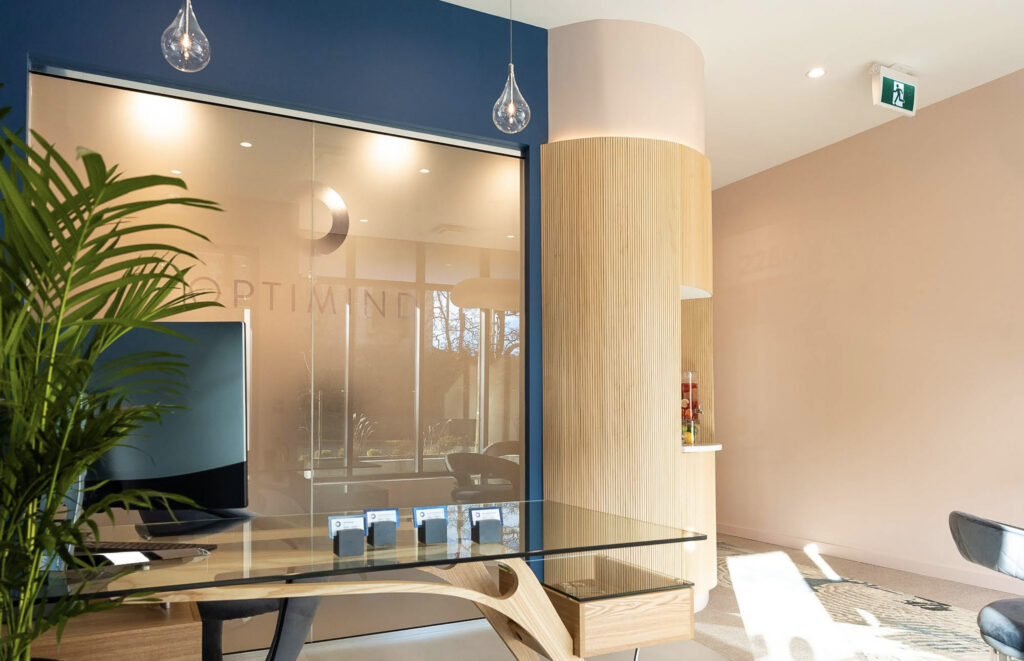
Together, our highly skilled team holds decades of medical and technical expertise
Frequently asked questions
Can I drive myself home afterward?
Yes. There’s no sedation and no recovery time, so you can return to your normal day immediately, including driving, work, or activities.
Does TMS hurt?
No. TMS is painless, with no systemic side effects and minimal risk. You recline in a comfortable chair while a technician delivers the treatment; most people read or relax.
How long do I have to rest after a TMS treatment?
TMS is a very simple treatment and doesn’t require any special attention after a session. You can drive home or even return to work right after a session.
How long does an appointment take?
Appointments are scheduled for a half hour. During treatment, you will be awake in a comfortable chair.
How long is a course of treatment?
TMS protocols run either once a day over a seven-week period, or condensed over five days. Your physician recommends the protocol best suited to you.
I’ve heard of the SAINT Protocol, does Optimind offer accelerated TMS?
We do offer an accelerated treatment option where deemed appropriate and desirable by our medical staff and client.
What is cognitive training?
For some treatment plans, a short cognitive training session follows immediately after TMS to reinforce the treatment. Your physician will let you know if it’s part of your plan.
What is the typical course of TMS Therapy?
TMS therapy requires a course of treatment sessions. The initial course of treatment typically consists of 35 sessions, which are either delivered as one session per day, five days per week for seven weeks, or seven sessions per day for five days.
Other conditions we treat
Take the first step toward feeling better.